
The grading of lab-grown diamonds adheres to the "Universal 4C Standards + Unique Identification of Growth Features" principle. The key points are as follows:
Universal 4C Standards: Consistent with natural diamonds, encompassing Carat (weight), Color (D-Z scale), Clarity (IF-I3), and Cut (EX-P). These are assessed by professional instruments measuring physical properties (Hardness 10, Refractive Index 2.417).
Unique Identification Features: CVD diamonds often exhibit parallel growth striations and gas inclusions; HPHT diamonds may contain metallic catalyst inclusions or cloudy formations, whereas natural diamonds typically display irregular growth patterns and mineral inclusions.
Authoritative Certification: Require certification from institutions such as GIA, IGI, or NGTC. Reports must clearly state "Laboratory-Grown Diamond" and specify the growth method (CVD/HPHT), ensuring full traceability.
Progressive Semiconductor is among the few companies producing lab-grown diamonds that are entirely untreated and have obtained IGI certification.


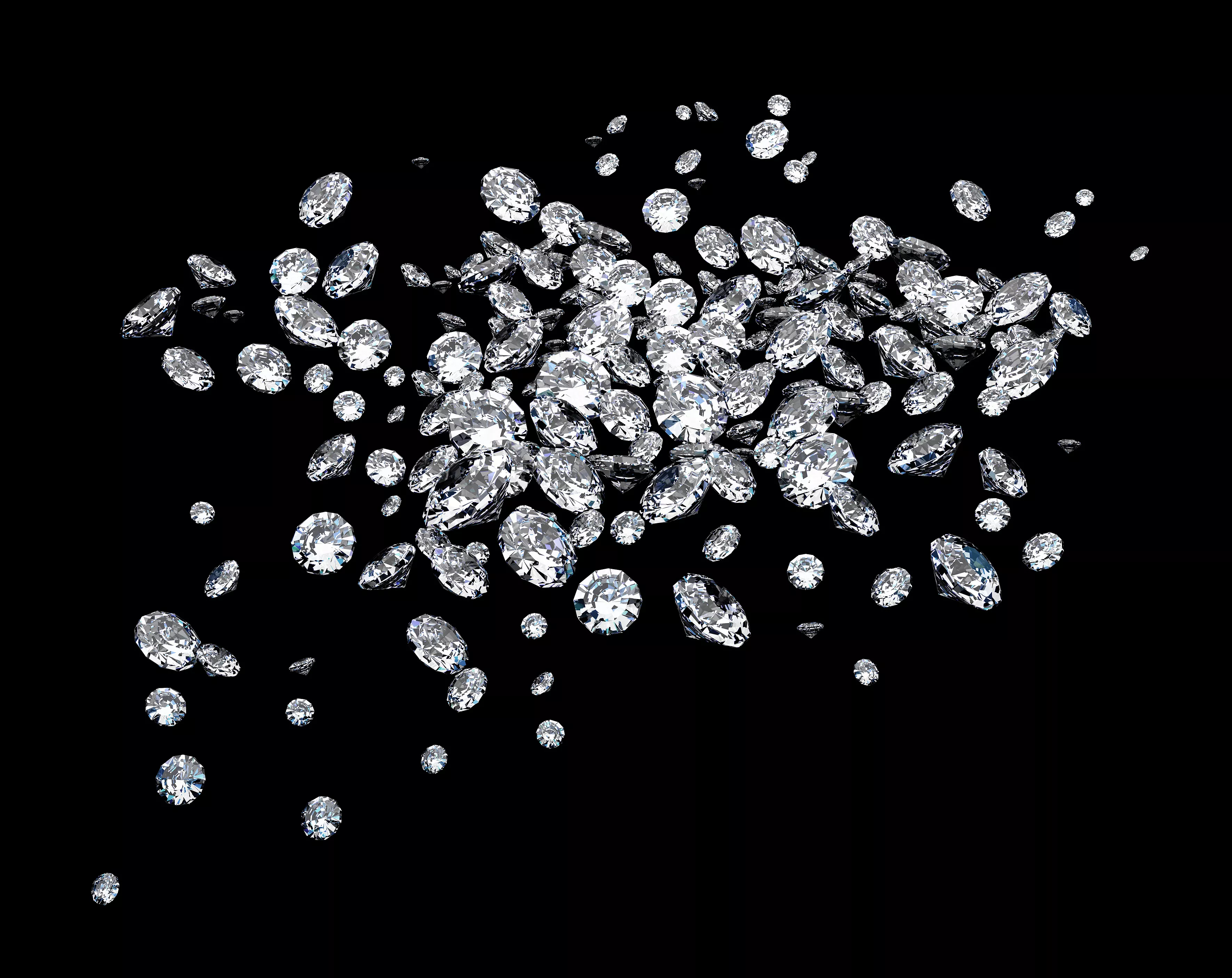
Compared to the HPHT process, the CVD process offers several advantages:
Growth
Technology: CVD (Chemical Vapor Deposition) deposits carbon from a gaseous source onto a substrate under low pressure and high temperature. HPHT (High Pressure High Temperature) simulates the natural diamond formation environment, crystallizing carbon source material under extreme pressure and temperature. Characteristic Differences: CVD diamonds typically exhibit higher purity and controllable color (easier to achieve colorless or fancy colors), often forming in a plate-like shape. HPHT is particularly suitable for colored diamonds (e.g., yellow diamonds) and often results in an octahedral crystal habit. Application Focus: CVD diamonds serve both jewelry and electronic applications (e.g., semiconductor substrates), while HPHT diamonds are primarily used for jewelry and industrial cutting tools. Both are synthetic diamonds, sharing identical physical and chemical properties with natural diamonds, differing only in their growth methods.Progressive Semiconductor
Technology is among the few companies capable of producing high-quality CVD diamonds without any post-growth color treatment.
CVD diamonds are a popular type of lab-grown diamond on the market.
CVD diamonds share the same crystal structure and chemical composition as
natural diamonds. As a result, they look identical to natural gemstones, with equal brilliance and hardness.
The difference between natural diamonds and CVD diamonds lies in their
formation process. CVD diamonds are created artificially in a laboratory, while natural diamonds are formed naturally within the Earth. Nature is not a controlled, sterile environment, and the conditions under which natural diamonds form vary widely. Consequently, naturally formed gemstones rarely achieve perfection and almost always contain some impurities.
On the other hand, CVD diamonds are grown in a controlled environment.




友情链接:西安电子大学芜湖研究院 hpmc manufacturer